
Why Annual Wellness Checkups Matter for Kids?
- Dr. Divya Bansal

- May 8, 2024
- 3 min read
Updated: May 27, 2024
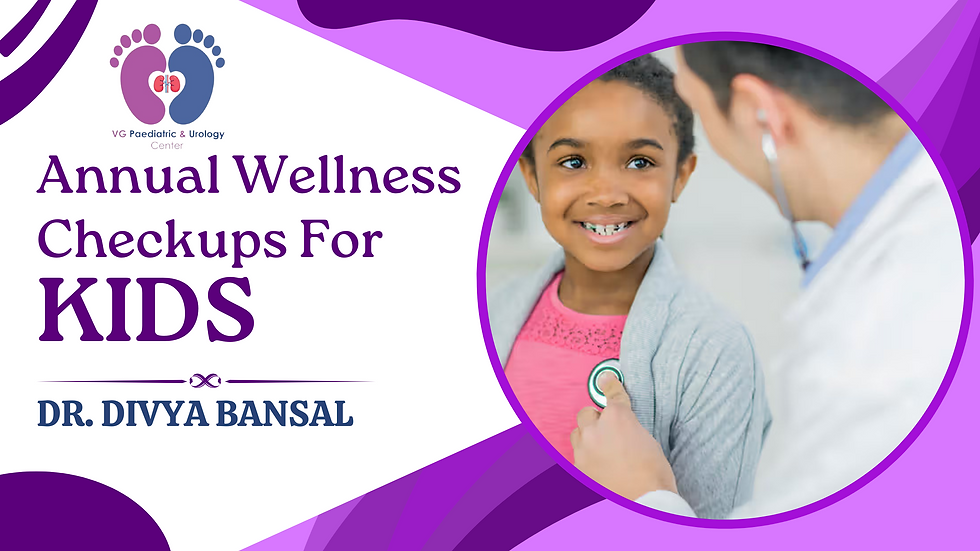
Welcome to the insightful world of pediatric care, where ensuring the health and well-being of our little ones is paramount. Today, we delve into a crucial aspect of children's healthcare: annual wellness checkups. As a pediatrician deeply committed to the welfare of every child, I, Dr. Divya Bansal, invite you to explore why these checkups hold immense significance in safeguarding your child's health journey.
What are Annual Wellness Checkups?
Annual wellness checkups serve as comprehensive evaluations of a child's overall health and development. They go beyond mere physical examinations to encompass various aspects such as growth monitoring, developmental milestones, vaccination updates, and addressing any concerns parents may have regarding their child's health. These checkups provide a valuable opportunity for pediatricians to detect any potential issues early on and intervene promptly, ensuring optimal health outcomes for children.
Benefits of Regular Annual Wellness Checkups for Children
The benefits of regular annual wellness checkups for children are manifold. Firstly, they establish a baseline for your child's health, allowing pediatricians to track their growth and development over time. Early detection of health issues such as developmental delays, vision or hearing problems, or chronic conditions like asthma or allergies is another significant advantage. Moreover, these checkups facilitate timely vaccinations, protecting children from preventable diseases and contributing to community immunity.

Beyond physical health, annual wellness checkups also promote emotional and mental well-being. They provide a safe space for children to express any concerns or anxieties they may have, fostering open communication and trust between the child, parent, and healthcare provider. Additionally, these checkups offer valuable guidance on nutrition, sleep habits, safety measures, and other aspects crucial for a child's overall health and development.
How Often Should Kids Have Annual Wellness Checkups?
The frequency of annual wellness checkups for children varies based on their age and individual health needs. In general, infants and toddlers may require more frequent visits, typically scheduled at regular intervals during their first few years of life. As children grow older, annual checkups suffice in most cases, although children with chronic health conditions or specific risk factors may need more frequent monitoring.
Importance of Early Detection
Early detection is crucial for maintaining optimal health and well-being across various aspects of life:
A. Preventative Health Measures: Timely identification of health issues allows for proactive measures to prevent their progression, reducing the risk of complications and promoting overall wellness.
B. Monitoring Growth and Development: Early detection enables healthcare professionals to closely monitor growth and development milestones, ensuring timely interventions if any delays or abnormalities are detected, thus facilitating healthy development.
C. Addressing Behavioral and Emotional Concerns: Identifying behavioral and emotional concerns early on enables timely intervention and support, promoting healthy coping mechanisms and preventing potential long-term challenges.

Vaccinations and Immunizations
Vaccinations and immunizations play a critical role in safeguarding public health:
A. Importance of Up-to-date Vaccinations: Keeping vaccinations up-to-date helps prevent the spread of infectious diseases, protecting both individuals and communities from serious illnesses and potential outbreaks.
B. Discussing Vaccine Schedule with Pediatrician: Consulting with a pediatrician about the recommended vaccine schedule ensures that children receive the appropriate immunizations at the right time, tailored to their individual health needs and circumstances.
C. Addressing Vaccine Hesitancy and Concerns: Addressing vaccine hesitancy and concerns through open dialogue, education, and evidence-based information is essential for fostering trust in vaccination programs and promoting widespread acceptance, ultimately enhancing community immunity and disease prevention efforts.
Identifying Health Issues Early
Identifying health issues early is pivotal for effective intervention and improved outcomes. Here's how it can be achieved:
Screening for Common Childhood Illnesses:
Regular screenings for common childhood illnesses, such as developmental delays, vision or hearing problems, and infectious diseases, enable early detection and timely intervention, ensuring optimal health and development.
Managing Chronic Conditions:
Early identification of chronic conditions, such as asthma, diabetes, or genetic disorders, allows for proactive management strategies, including medication, lifestyle modifications, and regular monitoring, to minimize symptoms and complications, thereby improving quality of life.
Preventing Long-term Health Complications:
Early detection of risk factors and predisposing conditions, such as high blood pressure, obesity, or familial diseases, enables preventive measures to be implemented promptly, reducing the likelihood of long-term health complications and promoting overall well-being.

Conclusion:
In conclusion, annual wellness checkups for kids offer a multitude of benefits that cannot be overstated. They serve as a vital tool for early detection and intervention, ensuring that any health issues are addressed promptly. By prioritizing these checkups, parents can actively contribute to their children's well-being, promoting healthy growth and development while preventing long-term complications. It's essential for parents to recognize the significance of regular healthcare visits and to take proactive steps in scheduling appointments for their children. For those seeking pediatricians and healthcare providers, numerous resources are available, including online directories, community health centers, and recommendations from trusted sources. By partnering with healthcare professionals and staying proactive in monitoring children's health, parents can pave the way for a lifetime of wellness and vitality.
FAQs:
When should children start having annual wellness checkups?
Children should start having annual wellness checkups shortly after birth, with regular visits scheduled according to the recommended immunization and developmental screening schedules. Typically, these visits continue throughout childhood and adolescence, providing opportunities for monitoring growth, development, and overall health.
What should parents bring to a wellness checkup?
Parents should bring their child's medical history, including any previous illnesses, surgeries, or medications. It's also helpful to bring the child's immunization record, as well as any specific concerns or questions they may have. Additionally, bringing along a list of allergies, dietary preferences, and family medical history can assist healthcare providers in delivering comprehensive care.
How can parents prepare their child for a wellness checkup?
Parents can prepare their child for a wellness checkup by explaining the purpose of the visit in a positive and reassuring manner. Encouraging open communication and answering any questions the child may have can help alleviate anxiety. Additionally, it's beneficial to discuss what to expect during the visit, such as measurements, physical examinations, and possibly vaccinations. Bringing along comfort items, such as a favorite toy or blanket, can also help ease any apprehension.


Comments