
Nutrition Essentials for Growing Kids: Balancing Taste and Health
- Dr. Divya Bansal

- Apr 23, 2024
- 3 min read
Updated: May 6, 2024

As we embark on the journey of nurturing the next generation, it becomes imperative to delve into the intricate relationship between nutrition, taste preferences, and overall health. Hello, I am Dr. Divya Bansal, and I invite you to explore the crucial role of nutrition in the development of growing kids.
Why Nutrition is Crucial for Growing Kids:
Nutrition serves as the cornerstone of optimal growth and development in children. Every morsel consumed plays a pivotal role in shaping their physical, cognitive, and emotional well-being. From fostering healthy bone development to fueling cognitive function, the significance of nutrition cannot be overstated. In this discourse, we shall unravel the profound impact of dietary choices on the holistic growth of our young ones.
How Taste Preferences Impact Food Choices:
Taste preferences wield significant influence over the dietary decisions of children. The innate inclination towards certain flavors not only shapes their culinary palate but also dictates their food choices. However, the allure of sugary, salty, or fatty delights often overshadows the nutritional value of meals, leading to potential imbalances in their diet. Understanding the interplay between taste preferences and dietary habits is paramount in promoting a wholesome approach to nutrition.

The Importance of Striking a Balance Between Taste and Health:
In the pursuit of nurturing healthy eating habits, it is imperative to strike a delicate equilibrium between taste and health. While indulging in savory delights is undoubtedly gratifying, it is equally vital to ensure that nutritional needs are met. By fostering an environment that celebrates both the palatability and nutritional adequacy of meals, we can instill lifelong habits that prioritize well-being without compromising on taste.
Building a Foundation of Healthy Eating Habits
Building a foundation of healthy eating habits in children is a multifaceted endeavor that encompasses various strategies aimed at fostering a lifelong appreciation for nutritious foods. Firstly, providing a diverse array of nutrient-dense foods lays the groundwork for a well-rounded diet rich in essential vitamins, minerals, and antioxidants.
Introducing children to a wide range of flavors and textures not only ensures adequate nutrition but also cultivates adventurous palates. Secondly, teaching the principles of portion control and mindful eating instills awareness of hunger cues and encourages moderation in consumption.
By emphasizing the importance of savoring each bite and listening to their bodies, children develop a healthier relationship with food. Finally, involving kids in meal planning and preparation empowers them to make informed choices and develop essential culinary skills. Engaging children in the kitchen not only fosters a sense of ownership over their meals but also promotes family bonding and reinforces the value of wholesome eating habits.
Healthy and delicious meal ideas for growing kids:
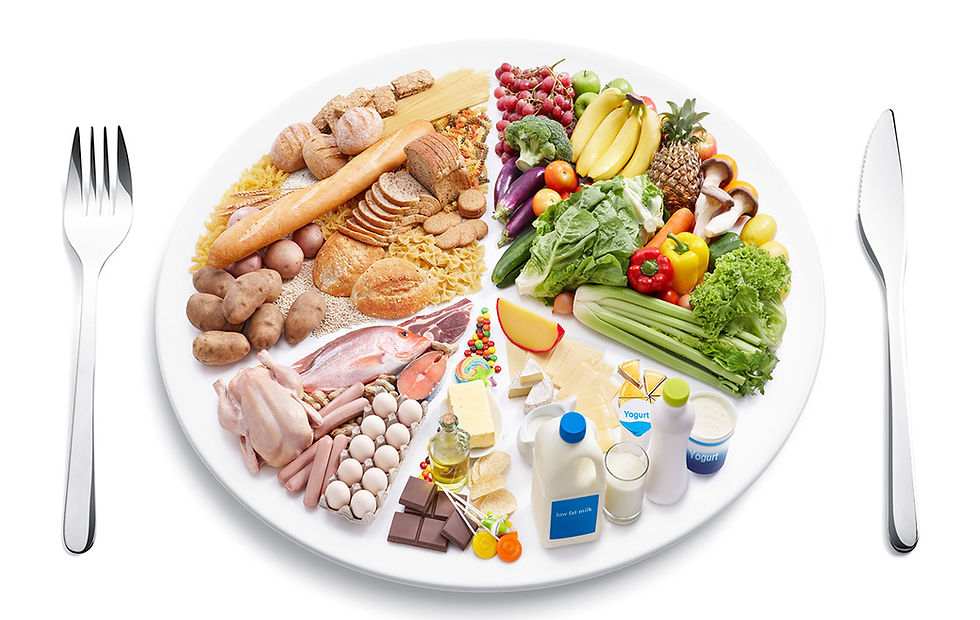
Breakfast: Start the day right by fueling young minds with whole grains and protein. Serve oatmeal topped with fresh fruit and a sprinkle of nuts or seeds, or whip up whole grain pancakes with a side of Greek yogurt and berries for a nutritious boost.
Lunch: Pack nutrient-rich options for school or on-the-go lunches. Prepare whole grain wraps filled with lean turkey or chicken, lettuce, and tomato, accompanied by crunchy vegetable sticks and hummus for dipping. Alternatively, assemble a colorful salad with mixed greens, quinoa, chickpeas, and colorful veggies, paired with a small serving of fruit and a handful of nuts for added crunch and protein.
Dinner: Create balanced meals incorporating vegetables, protein, and whole grains. Serve grilled salmon or tofu alongside roasted sweet potatoes and steamed broccoli for a satisfying and nourishing dinner. Alternatively, prepare a stir-fry with lean beef or tofu, mixed vegetables, and brown rice, seasoned with soy sauce and garlic for a flavorful twist. Finish off with a fruit salad or yogurt parfait for a sweet and nutritious dessert option.
Navigating the World of Snacks and Treats
Navigating snacks and treats involves choosing smart options to keep kids energized while balancing indulgent treats with nutrient-packed alternatives. Setting limits on sugar and processed foods encourages healthier choices. Opt for fruits, veggies with dip, or nuts for wholesome snacks, while occasionally indulging in moderation.

In conclusion, prioritizing nutrition for growing kids doesn't have to mean sacrificing taste. By offering a variety of nutrient-dense foods, involving kids in meal planning, and setting healthy eating habits early on, parents can strike the perfect balance between delicious flavors and nourishing foods. By navigating snacks and treats wisely, overcoming challenges with picky eaters, and fostering a positive food environment at home, families can ensure that kids develop a lifelong love for healthy eating.
FAQs:
How can I encourage my child to try new foods?
Encouraging your child to try new foods can be fun and rewarding. Start by involving them in meal preparation and offering a variety of options. Make trying new foods an adventure by exploring different cuisines and flavors together. Be patient and offer praise for their efforts, even if they don't like something at first.
What are some healthy snack options for kids?
Healthy snack options for kids include fresh fruits and vegetables, such as apple slices with peanut butter or carrot sticks with hummus. Greek yogurt with berries, whole grain crackers with cheese, and homemade trail mix with nuts and dried fruits are also nutritious choices. Remember to offer snacks that combine protein, fiber, and healthy fats for sustained energy.
How can I ensure my child is getting all the necessary nutrients for growth and development?
Ensuring your child receives all necessary nutrients involves offering a balanced diet rich in fruits, vegetables, whole grains, lean proteins, and healthy fats. Incorporate a variety of foods from each food group into their meals and snacks. Consider consulting with a pediatrician or registered dietitian to address any specific concerns and explore appropriate supplementation if needed.


Comments